Average fintech onboarding drop-off
Exhibit 03 · Fintech · Dubai
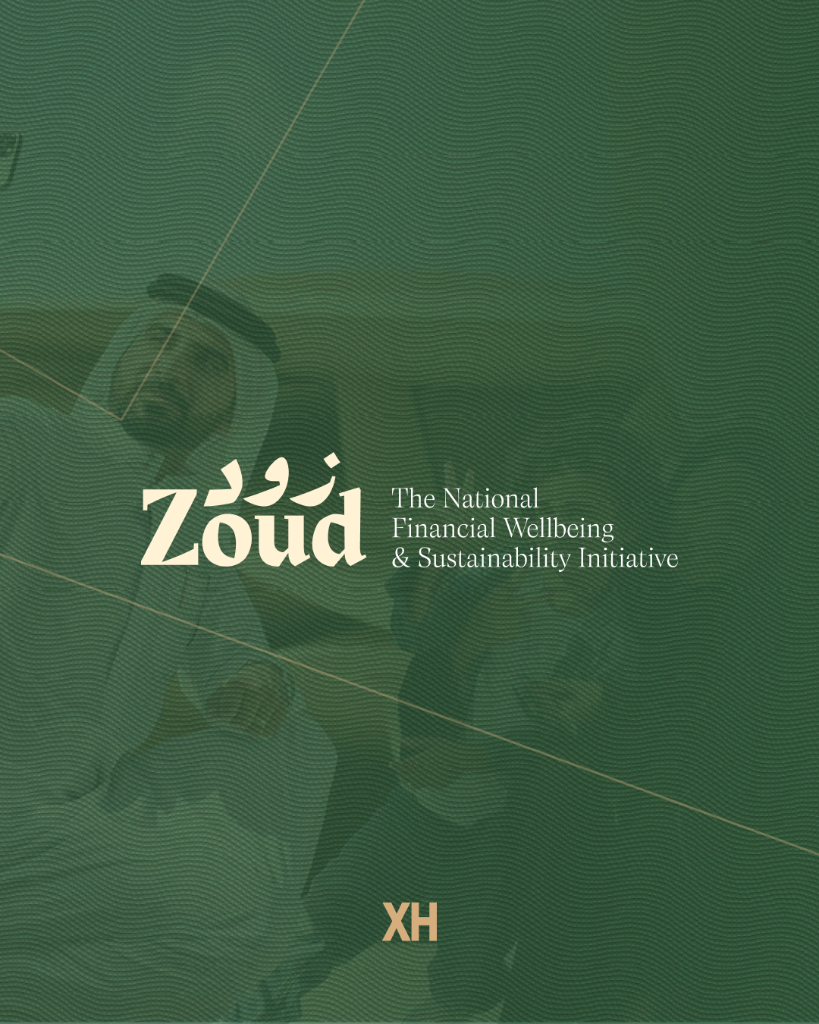
ZoudTrust engineered before the first transaction.
A bilingual identity and interface architecture for a commerce-fintech platform entering a market where visual credibility determines whether users ever finish onboarding.
In fintech, weak branding does not only cost attention. It costs adoption, transactions and viability.
Zoud had a functional platform and early traction, but its perception layer under-promised the product. We built the strategic and visual infrastructure required to make quality feel expected.
First impressions based on design
UAE population underbanked
Campaign performance after repositioning
A product entering a trust deficit.
Consumers extend less trust to digital payment platforms than to traditional financial institutions. In the UAE, that challenge meets a crowded field of fintech companies using nearly identical visual codes.
Zoud bridges online auctions, marketplace transactions and secure payments. The product worked. The brand looked too familiar to make that quality believable.
Brand is the invisible layer between a feature and a user's willingness to risk action.
Safety without sameness.
The category default was blue gradients, generic shields and stock phone imagery. When every brand signals safety the same way, none earns preference.
We defined trust through specificity: a recognizable identity, low-complexity interface patterns, clear semantic color and a bilingual-native system designed simultaneously in Arabic and English.
47%
Trust in digital payment platforms
A system built at onboarding speed.
The identity needed to communicate stability and distinction in milliseconds, then remain coherent across every transaction state.
Map the trust gap
Competitive and user research exposed the mismatch between product quality and perceived credibility.
Design bilingually
Wordmark, typography and layout logic were created natively for Arabic and English rather than adapted later.
Operationalize trust
Tokens, components and guidelines gave the product team a source of truth from app icon to settlement screen.
The trust
operating system.
The guidelines document every decision and translate the identity into a self-enforcing product and communication system.
From surprisingly good to expected quality.
The new system was deployed across app stores, onboarding and transaction interfaces. Internal development adopted the guidelines as the source of truth for interface decisions.
The most important early perceptual shift was in user language: quality stopped feeling like a surprise and started feeling consistent with what the brand promised.
IdentityDistinctive fintech credibilityLanguageArabic-first, bilingual-nativeProductTrust across every tapPartnershipOngoing brand governance
Is your quality still invisible?
See where your positioning, identity and market experience are weakening trust before you invest in more visibility.
Get your Market Readiness Score Book a 30-minute call